Rural Lifestyle Property Hybrid Solar + Battery Backup Solution
Located on a rural lifestyle property in regional Victoria, this project was designed for a client who primarily uses the property as a recreational retreat and weekend residence. With occasional grid instability also a consideration, Maxwell Energy developed a hybrid solar and battery solution designed to reduce electricity costs while improving energy resilience during outages.
Everyday savings. Backup when it matters.
The system combines a substantial rooftop PV array with hybrid energy management and battery storage, creating a platform designed to reduce grid reliance during normal operation while automatically supplying essential household loads during outages.
A different energy profile from an everyday home.
The property is primarily used as a recreational retreat and weekend residence. That meant the energy solution needed to reflect both the property's usage pattern and the practical realities of a regional location.
Energy savings and resilience in one system.
For this client, electricity cost reduction was important, but energy security was equally significant. The solution therefore needed to support everyday efficiency as well as dependable backup operation.
Generate, store and manage energy as one system.
The Solis hybrid inverter sits at the centre of the system, coordinating rooftop solar, battery charging, household consumption and interaction with the electricity grid.
Generate Solar Energy
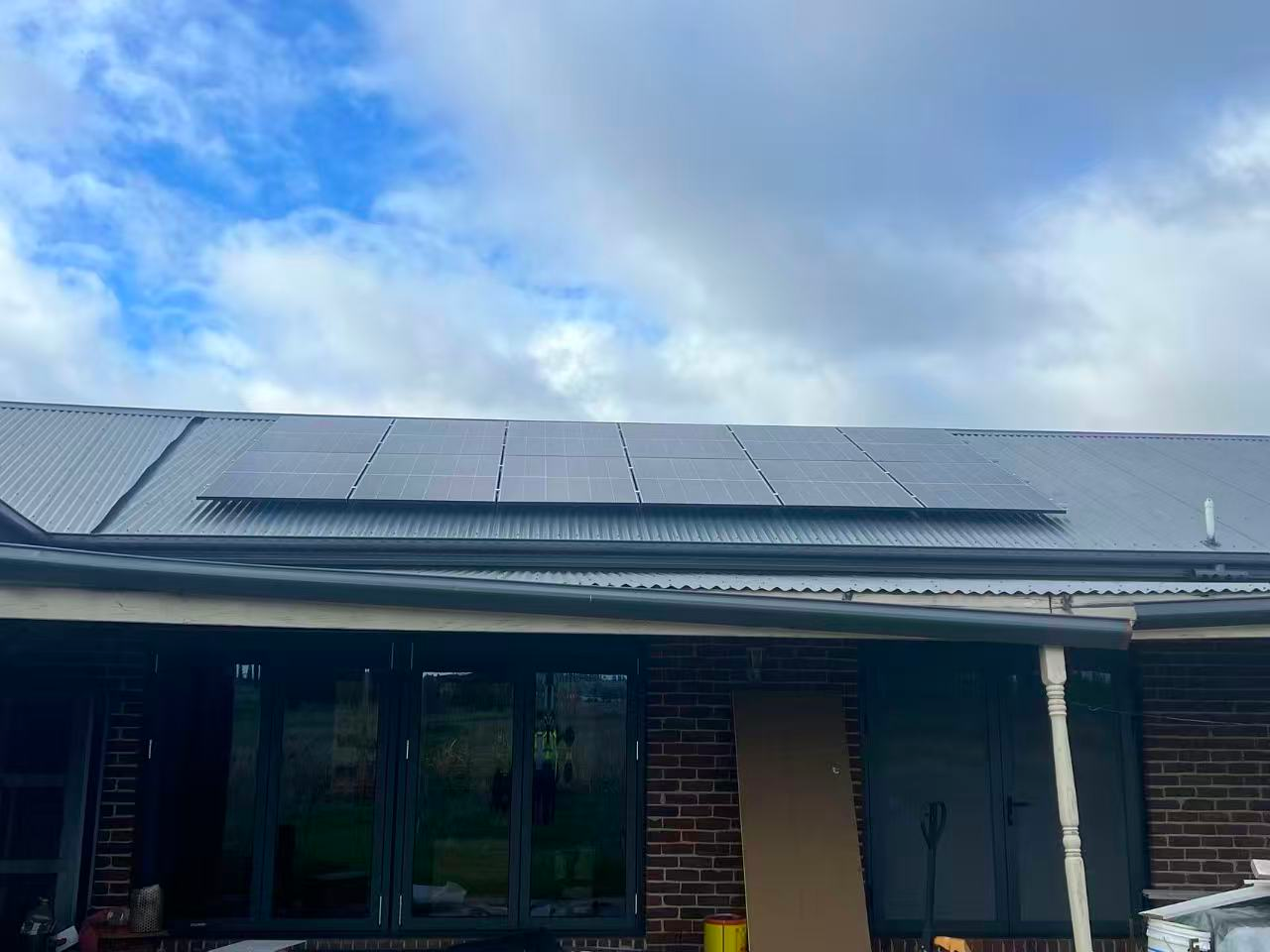
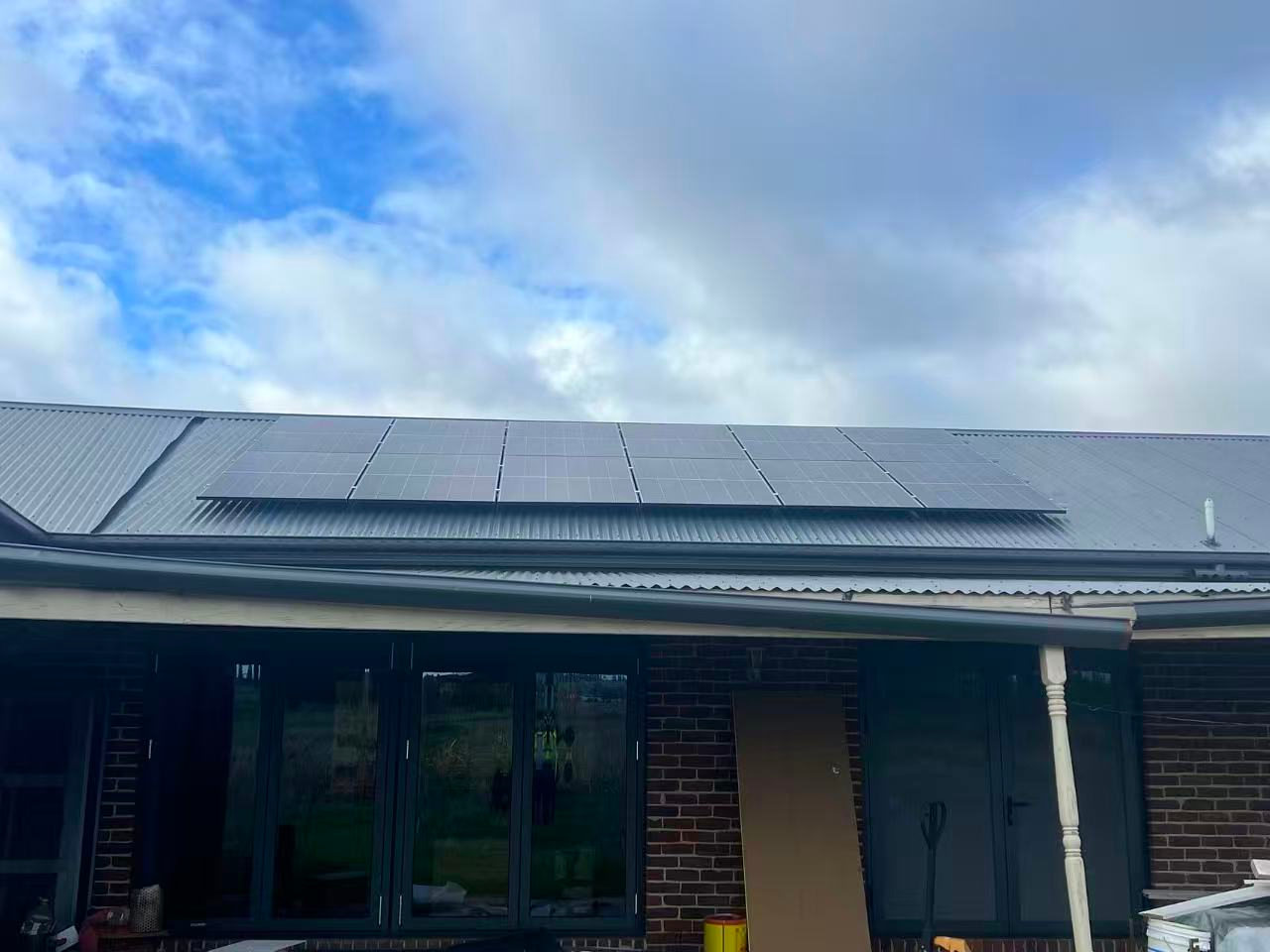
The 11.88kW rooftop array produces renewable electricity during daylight hours.
Supply Property Loads
Available solar generation can support household energy requirements while the property is in use.
Store Excess Energy
Surplus solar generation can be stored in the 20.48kWh Dyness battery system for later use.
Manage Grid Interaction
The hybrid inverter manages solar production, battery charging and interaction with the electricity grid.
Transition to Backup
During a grid outage, the system automatically transitions into backup mode without requiring manual intervention.
A practical hybrid platform for rural energy resilience.
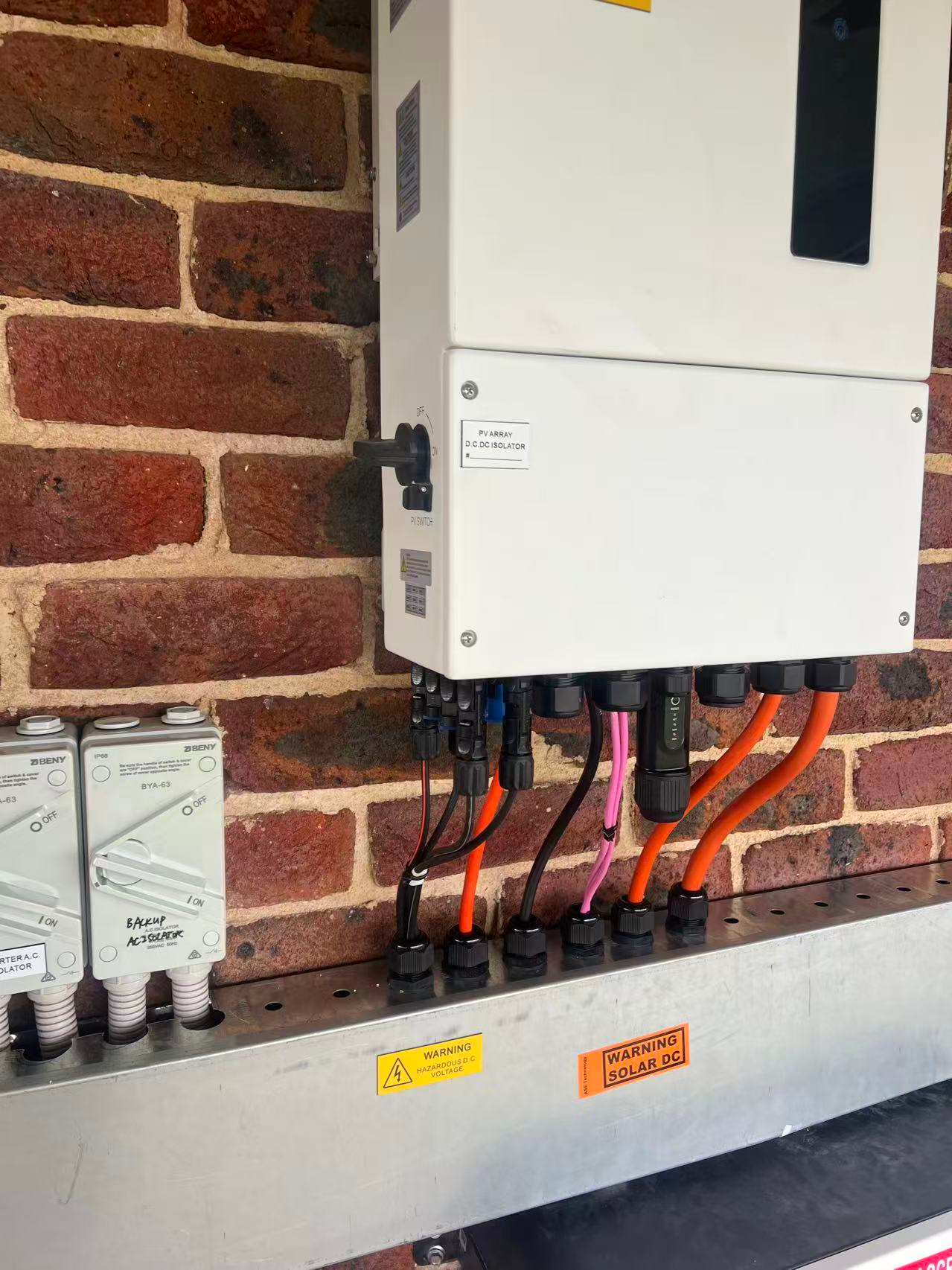
Maxwell Energy combined a Solis 8kW hybrid inverter with two Dyness Powerbox G2 batteries to create an integrated system capable of managing everyday solar energy while providing automatic backup supply when grid power is lost.
Designed for a property where grid reliability matters.
When a grid outage occurs, the hybrid system automatically transitions into backup mode. Stored battery energy can then maintain power to essential household loads, helping the property remain usable without requiring the homeowner to manually reconfigure the system.
Built around resilience, usability and future flexibility.
Hybrid Energy Management
Integrated Solis hybrid inverter and Dyness batteries provide coordinated management between solar, storage and grid energy.
Rural Energy Security
The system was designed with rural grid reliability as an important part of the energy strategy.
Expandable Platform
The hybrid architecture provides flexibility for future battery expansion or EV charging upgrades.
Professional Installation
Neat equipment layout, professional cable management and accessible maintenance design support long-term use.
For this property, energy security was just as important as reducing electricity costs.
By combining rooftop solar, hybrid energy management and substantial battery storage, Maxwell Energy created a system that improves solar self-consumption, reduces reliance on the grid and provides dependable backup power — a balanced solution designed around the realities of rural living.
Solar generation, hybrid equipment and backup infrastructure on site.
 11.88kW Rooftop Solar Array
Hybrid Inverter & Battery System
11.88kW Rooftop Solar Array
Hybrid Inverter & Battery System
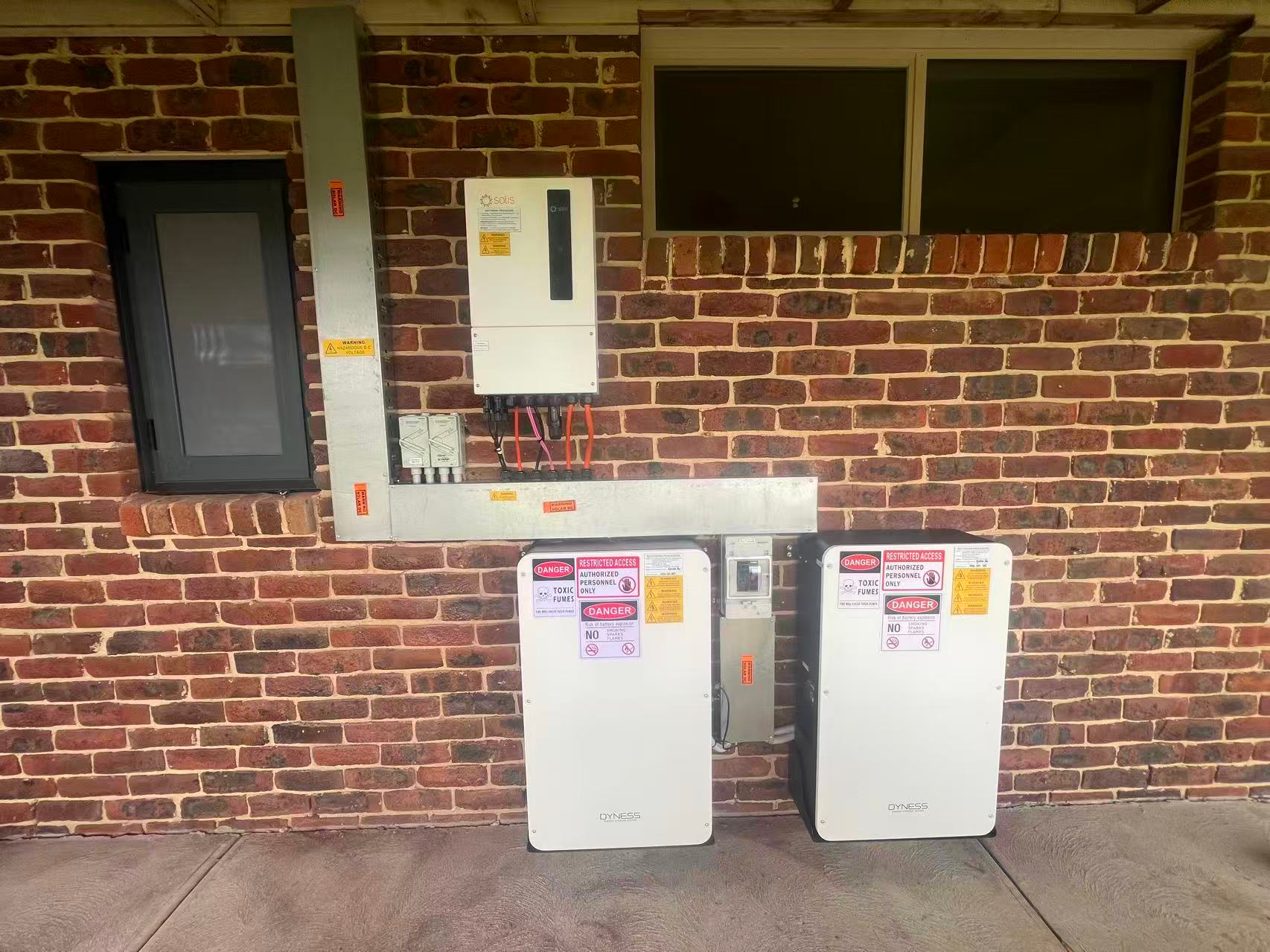 Inverter & Cable Management
Rural Lifestyle Property
Inverter & Cable Management
Rural Lifestyle Property
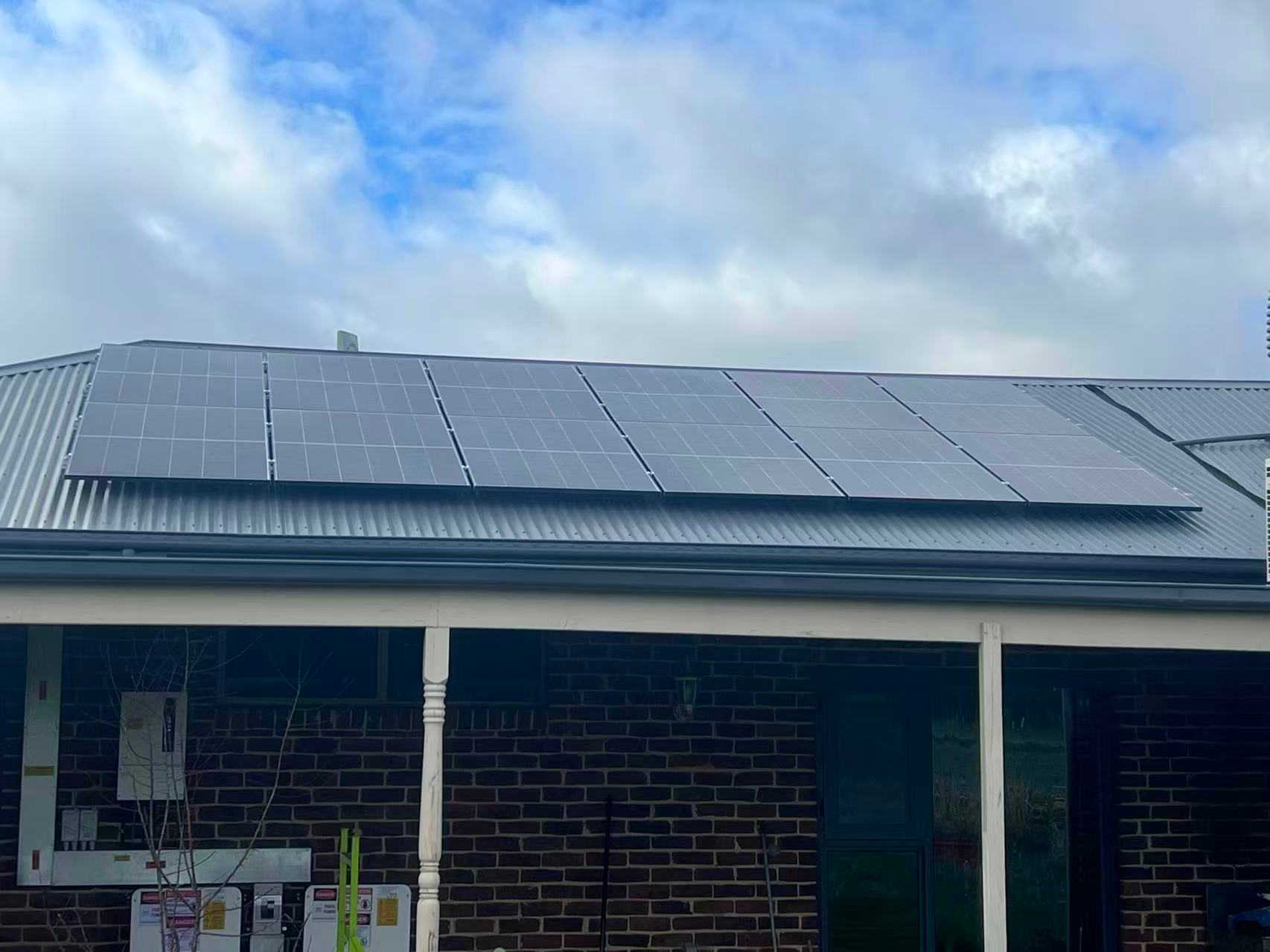 Completed Hybrid Energy Project
Start with how your property uses energy.
Whether you're considering solar, battery storage or backup capability for a regional property, Maxwell Energy can help assess your energy needs and design a system around the way the property is actually used.